May 4, 2026
Choosing the right contractor for your home improvements is about more than just finding the lowest bid; it is about finding a partner who understands the structural integrity and aesthetic harmony of your property. When it comes to handrail installation, the stakes are particularly high because these features serve as both a visual centerpiece and a critical safety barrier. In San Diego County, where architectural styles range from coastal modern to classic Mediterranean, selecting a professional who can navigate local trends and strict safety regulations is essential. This guide outlines the vital questions you should ask to ensure your handrail project is handled with the expertise it needs and deserves.
1. What Are the Relevant Building Codes and Regulations?
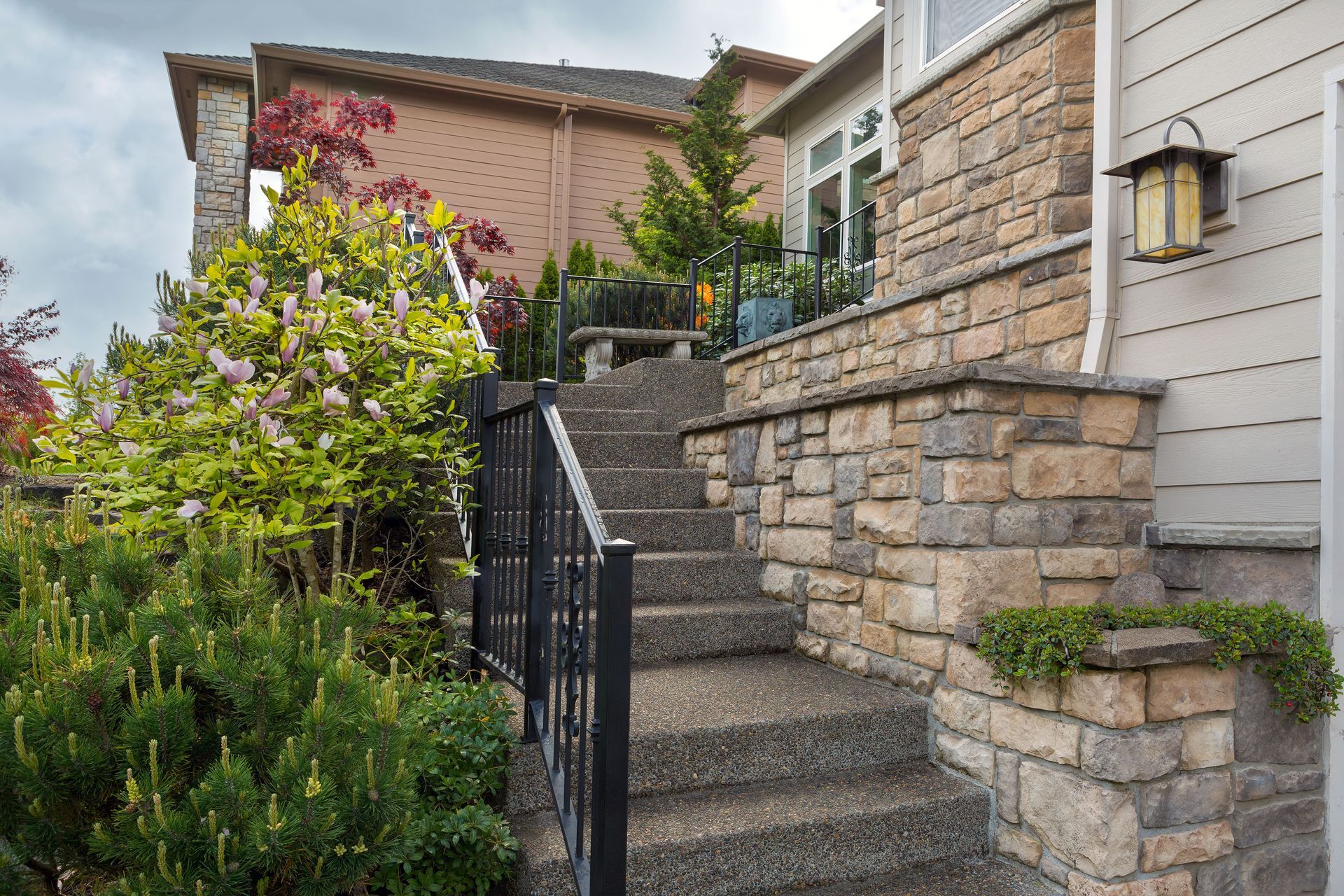
Understanding local building codes is fundamental when planning your handrail installation. These codes vary by location and outline the specific requirements for safety and compliance. Ensuring that your installation meets these regulations can prevent costly revisions and potential legal issues. One of the crucial regulations involves the installation of handrails for safety; according to Home Guide, any staircase with four or more risers needs a handrail for safety. Discussing these codes with your contractor ensures that they have adequate experience and knowledge to execute the installation within legal standards, especially when working with high-quality residential iron components that must be spaced and height-adjusted correctly.
Permitting and inspection are integral steps in handrail installation that shouldn’t be overlooked. Depending on your local regulations in San Diego, a formal permit might be required before beginning work on any residential iron structure. Once permits are in place, inspections ensure that the completed work meets all set codes and standards. Selecting a contractor familiar with these procedures can streamline your project from start to finish. By handling these bureaucratic processes effectively, your contractor can mitigate delays and unexpected challenges.
2. What Materials Do You Recommend and Why?
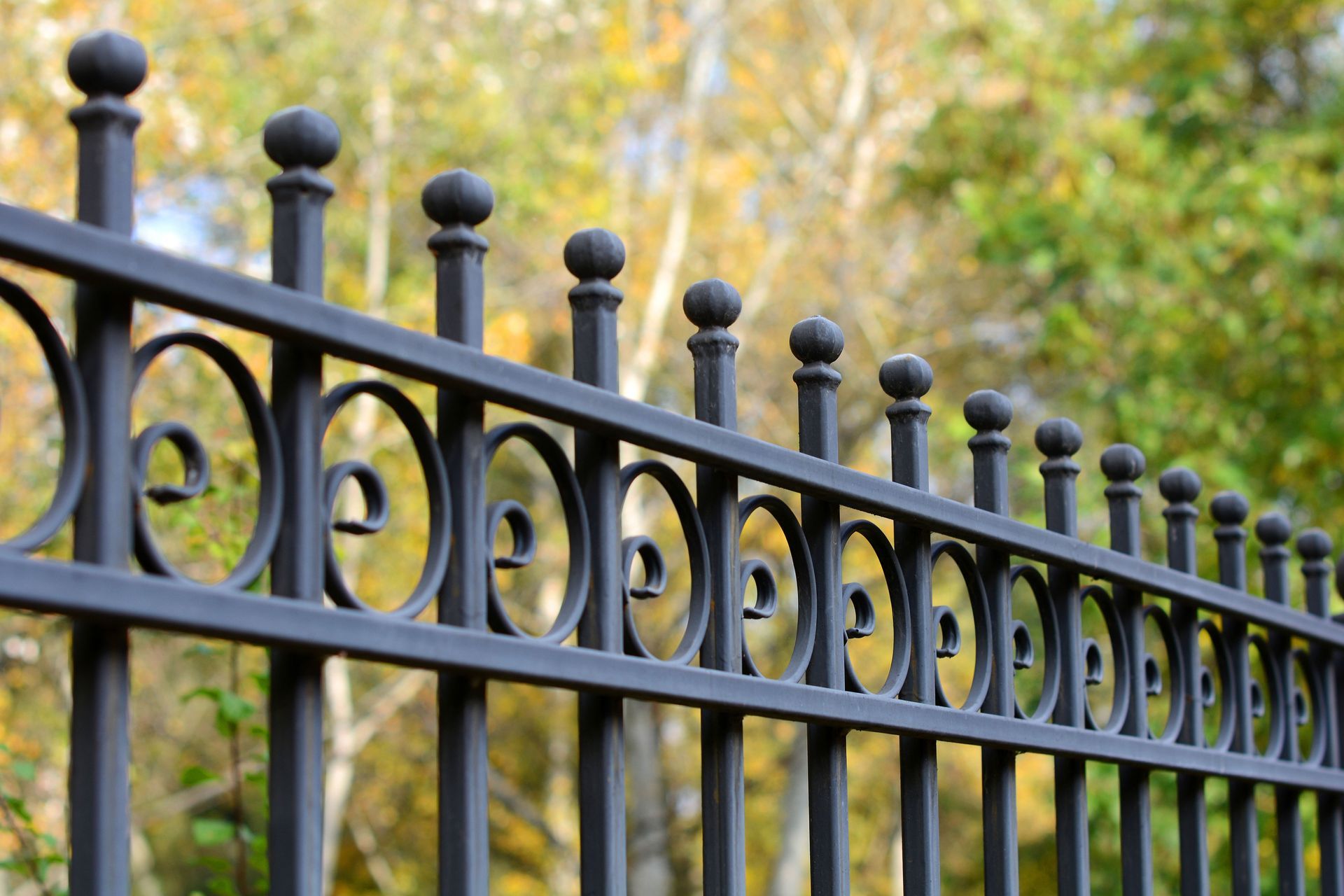
The choice of materials in handrail installation often hinges on considerations of durability and longevity. Materials like stainless steel, aluminum, and wrought iron are known for their robustness. Their durability makes them suitable for both indoor and outdoor installations, resisting wear over time. Your contractor should be able to weigh the pros and cons of each material tailored to your specific needs. Robust material selection is key to a handrail that not only looks good but also withstands the test of time. For many homeowners, residential iron remains the gold standard due to its incredible strength and timeless appeal.
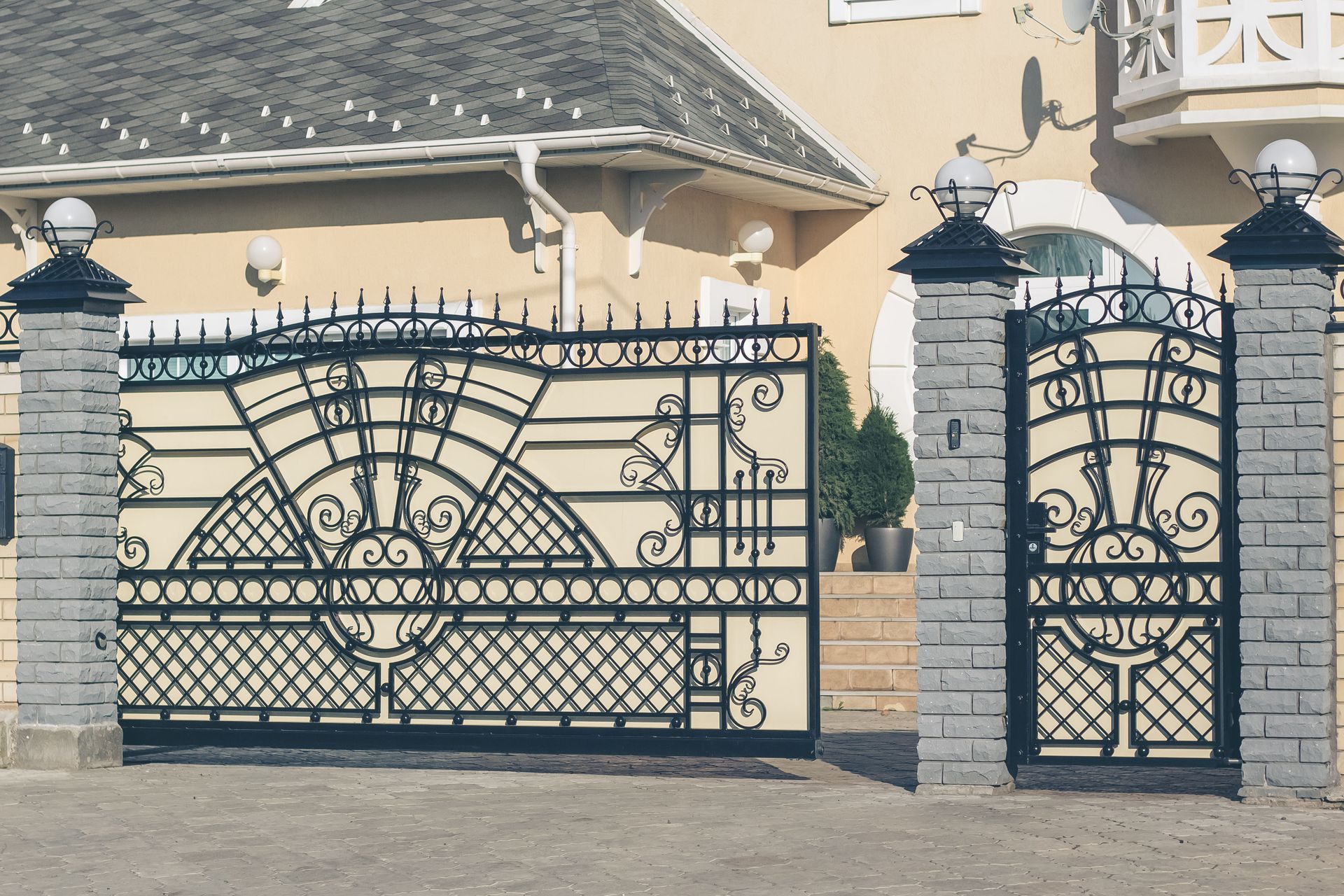
Aesthetic considerations are equally important when selecting the right materials for your handrail. The chosen material should complement the existing design elements of your space. Whether you desire a modern, sleek look with glass and steel or a traditional appearance using wood, your contractor can provide insights on what material aligns with your vision. Ensure that the final choice enhances the desired visual appeal while maintaining practical functionality. Aesthetic harmony can elevate the entire look of your home, and custom residential iron work can be forged into nearly any shape to match your decor.
3. Can You Provide a Detailed Cost Estimate?
Obtaining a detailed cost estimate from your contractor allows for transparency and cost management throughout the project. An ideal estimate should break down labor costs, giving you a clear picture of what portion of the budget is allocated to manpower. It also offers insights into how many people will be involved in the project and for how long. Understanding these elements can prevent surprises and facilitate smoother financial planning. This level of detail also reflects contractor reliability and experience when handling premium residential iron installations for your home.
Potential additional expenses should also be part of the cost discussion. These could include things like unexpected structural changes or modifications needed to comply with updated building codes. Understanding what factors could cause the budget for your residential iron project to increase ensures you are prepared for various scenarios. Your contractor should also share insights on the payment terms and schedule, allowing you to plan your finances accordingly. Discussing and comparing estimates from multiple contractors provides a broader perspective on cost and value, informing your final decision.
4. What Is the Project's Timeline?
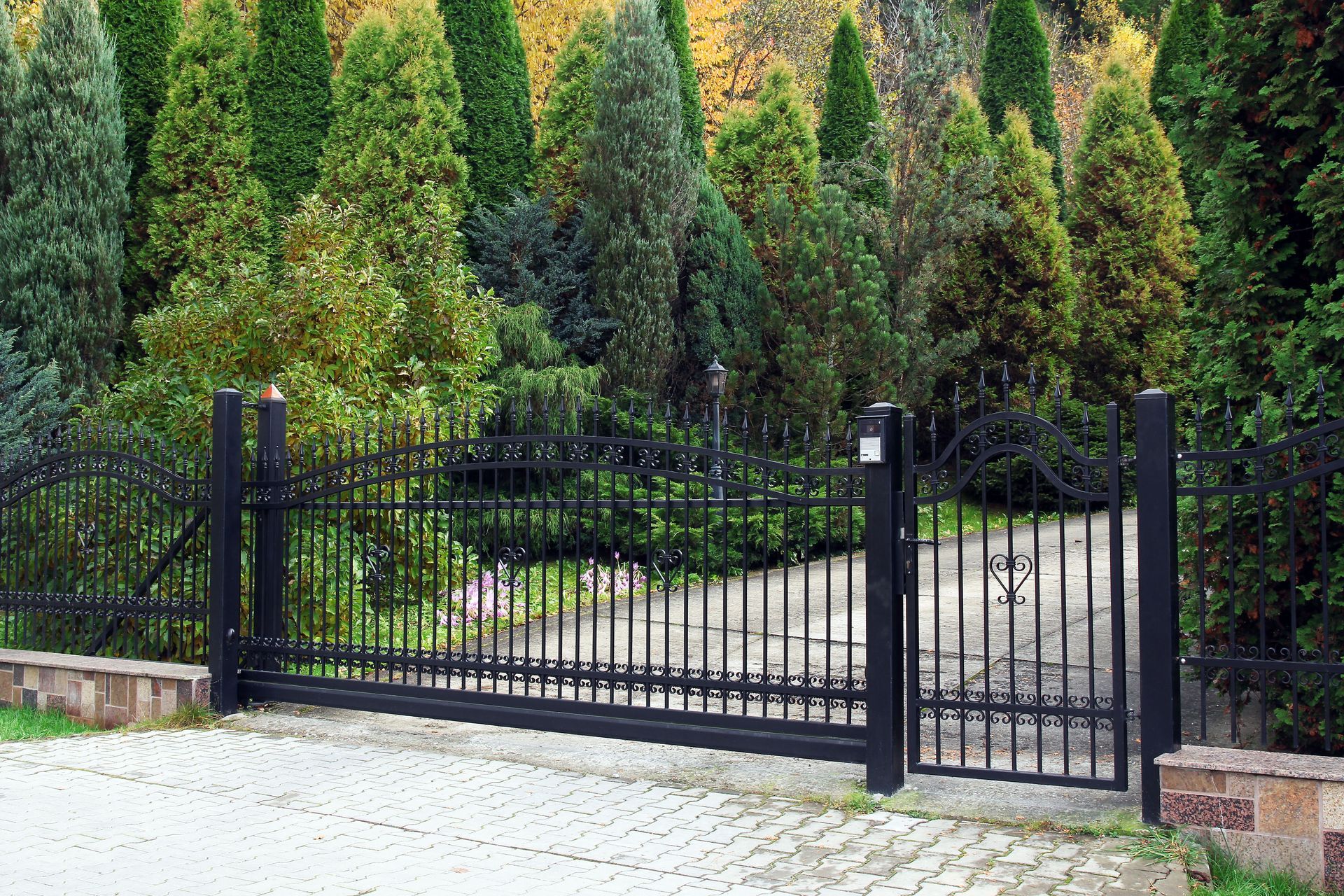
The project's timeline is an essential aspect to discuss with your contractor to manage expectations and plan accordingly. Establishing a clear start date is crucial to ensure that resources and labor are scheduled appropriately. This starting point also helps you prepare your home for installation activities. An estimated completion date provides a target for both you and the contractor, ensuring various phases of work flow smoothly. Clearly defined timelines aid in coordinating with other potential renovations or installations you may be considering, particularly for large-scale residential iron fencing or balcony projects.
Evaluating factors that could affect the timeline and addressing potential delays allows for proactive planning. Delays could arise from weather conditions, supply chain issues for specialized residential iron, or unforeseen structural challenges. Understanding how your contractor plans to manage these situations ensures transparency and preparedness. Setting procedures for handling these issues as they arise can prevent escalation into larger problems. Proactive management of potential delays underscores a contractor’s competence and reliability.
5. What Specific Customization Options Do You Provide for Different Railing Types?
Every home has a unique architectural DNA, and your handrail should reflect that individuality. When speaking with a contractor, it is essential to ask about their range of specialized services, such as cable railings, deck railings, or full staircase overhauls. A contractor with deep roots in the industry will be able to explain how
residential iron can be integrated with other materials like glass or wood to create a bespoke look. Understanding the breadth of their services ensures they can handle the technical nuances of your specific project, whether it is a sleek balcony upgrade or a complex indoor staircase.
The technical requirements for a deck railing differ significantly from those of an interior staircase. For instance, outdoor installations must be treated to withstand the elements, especially in coastal San Diego environments. Ask your contractor how they adapt their fabrication process for different environments to prevent corrosion or wear.
6. Can You Demonstrate Previous Work or Provide References?
Reviewing your contractor’s portfolio is a practical approach to assessing their skills and establishing faith in their capabilities. Their portfolio should provide a range of previous projects that highlight versatility and quality craftsmanship. Variety in their previous work indicates adaptability and experience in various styles and settings. Client testimonials offer supplementary insights into client satisfaction and process efficiency. By evaluating their previous work, you ascertain the reliability and quality you can expect in your own project.
Dealing with negative feedback or reviews is an examination of your contractor's resilience and customer service capabilities. A constructive response indicating willingness to solve issues rather than avoid them speaks volumes about their professionalism. By thoroughly assessing these areas, you gather a holistic view of their suitability.
Asking these critical questions ensures that your handrail installation is not just a home improvement project, but a lasting investment in safety and style. By vetting your contractor on building codes, material quality, and post-installation support, you set the stage for a seamless experience. With over 29 years of experience serving the San Diego County area, we specialize in everything from cable and deck railings to full staircase upgrades. If you are ready to enhance your home with expert craftsmanship and a free estimate, contact our team at San Diego Custom Iron Works, Inc today to get started on your consultation.